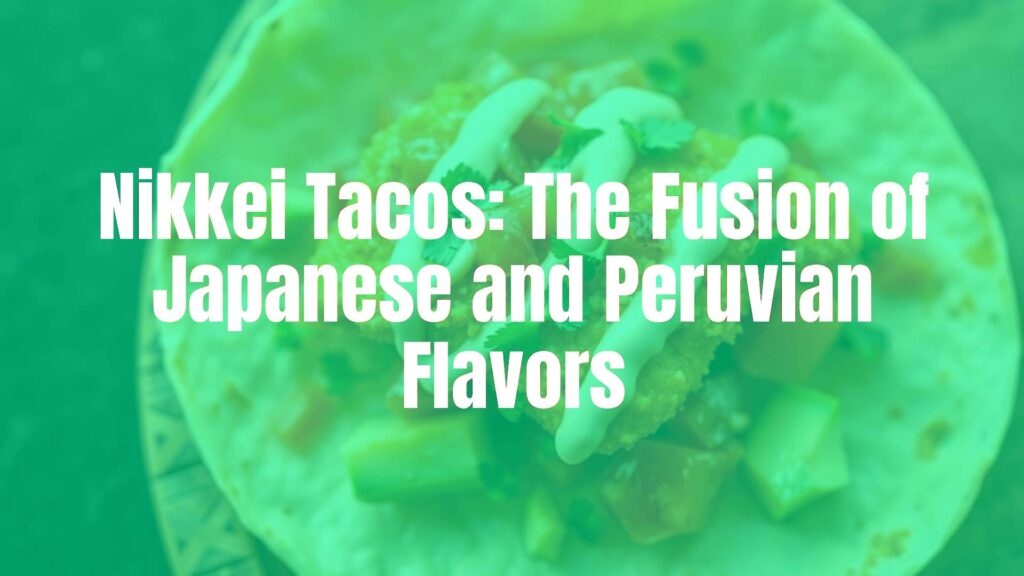
Nikkei tacos are a special mix of Japanese and Mexican food, bringing together great flavors and textures in a new way. Instead of the usual taco fillings, these use crispy tempura fish or seafood, topped with tangy salsa criolla, creamy avocado, and a bit of Japanese-style mayo. Nikkei tacos show how exciting new dishes come from mixing different cooking styles.
They are a good example of how different food cultures can work together to make meals that feel a little familiar but also fresh and different. The crunchy tempura, a key technique from Japanese cooking, goes well with the bright, fresh toppings inspired by Peruvian and Mexican tastes. Each taco delivers a mix of crunch, flavor, and freshness in every bite.

What Are Nikkei Tacos?
Nikkei tacos are the result of Japanese cooking methods and tasty Peruvian flavors, served in the familiar shape of a taco. They are an example from the Nikkei food trend, which aims for freshness, balance, and trying new things. These tacos are more than just a trend-they come from a long history of mixing cultures and foods.
This dish developed due to Japanese immigrants in Peru learning to use local foods and spices. Over time, cooks blended Japanese and Peruvian techniques, leading to new creations with their own special tastes. To really understand Nikkei tacos, it helps to know about the history of Nikkei cooking itself.
How Did Nikkei Cuisine Start?
Nikkei cooking began with Japanese immigrants who arrived in Peru in the late 1800s and early 1900s. They brought their cooking skills and habits, but had to use new ingredients found in Peru, including plenty of local fish, fruits, and spices different from what they had used before.
Rather than sticking firmly to tradition, these immigrants started to mix their recipes with the new foods around them. This wasn’t just swapping ingredients, but a real blend, making new dishes that honored both cultures. Nikkei cuisine was born from this spirit of blending and adapting, showing how food can bring people and ideas together.
How Japanese-Peruvian Fusion Led to Nikkei Tacos
Nikkei tacos are a clear sign of how mixing cooking styles can lead to new things. Meals in this style often show Japanese methods and the bold flavors of Peruvian cooking. The Nikkei taco is a top example of this blend.
Here, a Mexican-style taco is filled with Japanese and Peruvian touches. Tempura fish, from Japanese tradition, stands in for the usual meat. Peruvian salsa criolla and avocado add tang and creaminess. Japanese-style mayo is the finishing touch, tying everything together and giving Nikkei tacos their own flavor.
Main Ingredients in Nikkei Tacos
What makes Nikkei tacos stand out is the smart use of ingredients from both Japan and Peru. The filling is often seafood fried in a light tempura batter. This gives crispiness and keeps the fish inside tender.

The toppings are what really make these tacos special. Salsa criolla is a marinated onion mix from Peru that adds acidity and bite. Avocado gives smoothness. Japanese-style mayo with citrus or a hint of spice adds richness and umami flavor. Each part is chosen on purpose, making Nikkei tacos a great small example of fusion cuisine.
| Japanese Side | Peruvian Side | Common Toppings |
|---|---|---|
| Tempura fish/seafood | Salsa criolla | Japanese mayo |
| Soy sauce | Aji amarillo chili | Avocado |
What Makes Nikkei Tacos Different?
Nikkei tacos are not just Mexican tacos with foreign toppings. They are made with the idea of balance, using fresh ingredients, and trying new mixes. Instead of simply adding “Japanese” to a “Peruvian” or “Mexican” base, Nikkei tacos show what happens when two food traditions come together to create something new.
The story behind them involves people moving and cultures mixing, which makes each taco more than just a meal-it tells a story. Nikkei tacos also challenge what people might expect from a taco, changing up what’s inside and how it’s put together.
Old Traditions and New Ideas
Nikkei tacos are where old cooking customs meet creative thinking. From Japan, you get knife skills, light tempura frying, and subtle flavors like soy and Japanese mayo. Peru gives zesty lime, spicy chili, and crisp toppings like salsa criolla. The real difference is how these things are mixed in new ways, like putting tempura fish into a taco with Peruvian salsa. It’s a fresh take that respects the past while doing something new.
Nikkei Tacos vs. Regular Mexican Tacos
| Traditional Mexican Taco | Nikkei Taco |
|---|---|
| Corn/flour tortilla | Corn, flour, or nori tortilla |
| Slow-cooked meats (carnitas, al pastor, barbacoa) | Tempura seafood or Japanese-style meats |
| Onion, cilantro, chili salsas | Salsa criolla, avocado, Japanese mayo |
| Earthy, spicy, rich flavors | Brighter, lighter, more citrus and umami |
While both types use a tortilla, their styles are very different. Mexican tacos usually focus on meats with traditional toppings, while Nikkei tacos use light seafood, citrus, and creamy toppings for a more refreshing and unexpected taste.
Japanese and Peruvian Cooking Methods
Japanese methods use care and focus on ingredient freshness, seen in tempura or how fish is cut and served. Peruvian food brings the bright flavors of lime and chili, often marinating or preparing fresh herbs and vegetables for toppings like salsa criolla. Putting these together makes for a taco that combines crunch, freshness, and a unique blend of tastes that you can’t get any other way.

Popular Nikkei Taco Fillings and Styles
Nikkei tacos can be filled with almost anything, and that variety is one of the reasons they’re popular. Chefs and home cooks have tried all kinds of fillings, from seafood to meats and even vegetarian choices, making it easy to find a style you like.
Seafood-Focused Nikkei Tacos
Seafood, especially tempura fish or shrimp, is probably the best-known filling for Nikkei tacos. The light, crispy tempura lets the taste of the seafood shine through. Other versions include marinated tuna, raw fish slices similar to sashimi, or other seafood dressed with Peruvian or Japanese sauces.
- Tempura fish or shrimp
- Soy-marinated tuna (lightly seared or raw)
- Tiradito-style raw fish
Meat and Fusion Proteins
Some Nikkei tacos use meat, offering a filling, hearty option. Stir-fried beef (inspired by Lomo Saltado), grilled chicken, or braised pork can all be found. These are paired with tangy salsas and spicy sauces that balance the flavors.
- Stir-fried beef or pork
- Grilled yakitori-style chicken
- Braised pork belly
Vegetarian and Vegan Choices
Nikkei tacos also have great plant-based options. Popular fillings include crispy tempura vegetables, marinated mushrooms, or fried tofu. Vegan versions use veggie mayo and skip animal products entirely. The focus stays on fresh, bright, and balanced flavors.
- Tempura mushrooms or sweet potato
- Pan-seared or marinated tofu
- Sautéed mushrooms with Peruvian/Japanese spices
Sauces and Toppings
The sauces and toppings make Nikkei tacos pop. Typical choices are:
- Salsa criolla – marinated onions, cilantro, and lime
- Japanese mayo – rich and creamy, sometimes with yuzu or chili
- Avocado – sliced or mashed
- Cabbage or sesame seeds for crunch
Where Can You Get Nikkei Tacos?
Nikkei tacos can be found in more places as Nikkei cooking becomes better known outside Peru. Whether it’s an upscale restaurant or a street food stall, there are many chances to try these interesting tacos. The popularity shows that people are interested in new food experiences with deep roots and creative touches.
Well-Known Nikkei Restaurants
Lima, Peru, is still the main place for Nikkei food. Important restaurants include:
- Maido – frequently ranked as one of the best in the world, offers Nikkei tasting menus
- Osaka – known for fresh seafood options perfect for tacos
- Sakura Sushi, Matsuei (over 50 years old), Toshi, Enkai, Gaijin Cocina Nikkei – all show off different sides of Nikkei cooking
You can now find Nikkei restaurants in other places like New Orleans, where Nikkei Izakaya serves crispy nori tacos with a range of fillings.
Nikkei Street Food and Pop-Ups
The taco’s shape makes it great for quick and affordable street food. Now, Nikkei tacos are showing up in food trucks, markets, and special food events in many cities. These pop-up kitchens make it easier for people to try Nikkei flavors without going to a formal restaurant.
Tips for Trying Nikkei Tacos Abroad
- Check for Nikkei or Peruvian-Japanese fusion spots, not just general Asian or Latin American places.
- Look at reviews on Yelp, TripAdvisor, or local blogs.
- Ask which fillings and sauces they use – tempura seafood, salsa criolla, and special mayo are good signs.
- Try pairing with a traditional Peruvian or Japanese drink for full effect.
How to Make Nikkei Tacos at Home
Making your own Nikkei tacos can be a fun project. Breaking the process into steps helps keep things simple and lets you choose your favorite fillings and toppings.
What You’ll Need
- Fresh white fish (like cod) or shrimp for tempura
- All-purpose flour, cornstarch, baking powder, very cold sparkling water (for batter)
- Vegetable or canola oil for frying
- Red onion, lime, cilantro (for salsa criolla)
- Avocado
- Japanese mayo, soy sauce, possibly mirin or rice vinegar
- Corn or flour tortillas, or nori sheets
- Aji amarillo paste or sesame seeds (optional)
Simple Steps to Prepare:
- Make salsa criolla: Thinly slice onions, soak briefly, drain, and mix with lime juice, cilantro, and salt.
- Mix tempura batter – flour, cornstarch, baking powder, and very cold sparkling water. Don’t overmix.
- Dry your fish or shrimp, coat lightly with flour, then dip in batter and fry at about 350°F (175°C) until golden. Drain on a rack.
- Warm tortillas if using. Prepare avocado (slice or mash).
- Assemble: Place tempura seafood in the shell, add salsa criolla, avocado, and drizzle with Japanese mayo.
- Serve right away for the best crunch and freshness.

Chef Suggestions for Better Flavor
- Keep tempura batter and ingredients cold for a crispier crust.
- Don’t overmix your batter-lumps are fine.
- Fry in small batches so the oil stays hot.
- Always use fresh lime for salsa. Add a bit of aji amarillo paste for heat, if you like.
- Balance crunchy, tangy, and creamy textures for the full Nikkei experience.
- Eat tacos soon after making to keep everything fresh and crisp.
Frequently Asked Questions about Nikkei Tacos
As Nikkei tacos get more popular, people often wonder about ingredients, flavors, and how to enjoy them best. Here are some common questions and answers.
Are Nikkei tacos gluten-free or dairy-free?
- Gluten-free: Tempura is usually made with wheat flour, but you can use rice flour or gluten-free mixes. Corn tortillas (and nori sheets) are naturally gluten-free.
- Dairy-free: Most main ingredients (fish, salsa, avocado) have no dairy. Watch for Japanese mayo-it’s made with eggs but typically not dairy. Double-check if any creamy sauces are added.
Is Nikkei food spicy?
Nikkei dishes are more about lively and bright flavors than strong heat. The spice comes from Peruvian aji peppers, which are fruity and gently hot, not too spicy. You might get a mild kick from salsas or mayo, but not overwhelming heat.
Common Misunderstandings about Nikkei Tacos?
- It’s not just Japanese food with Peruvian items added or vice versa. Nikkei food combines both in new ways, creating its own style.
- Nikkei tacos are not just a passing trend-they have roots over 100 years old.
- Not all feature raw fish (like sushi). Many have cooked items, especially crispy tempura or cooked meats.
