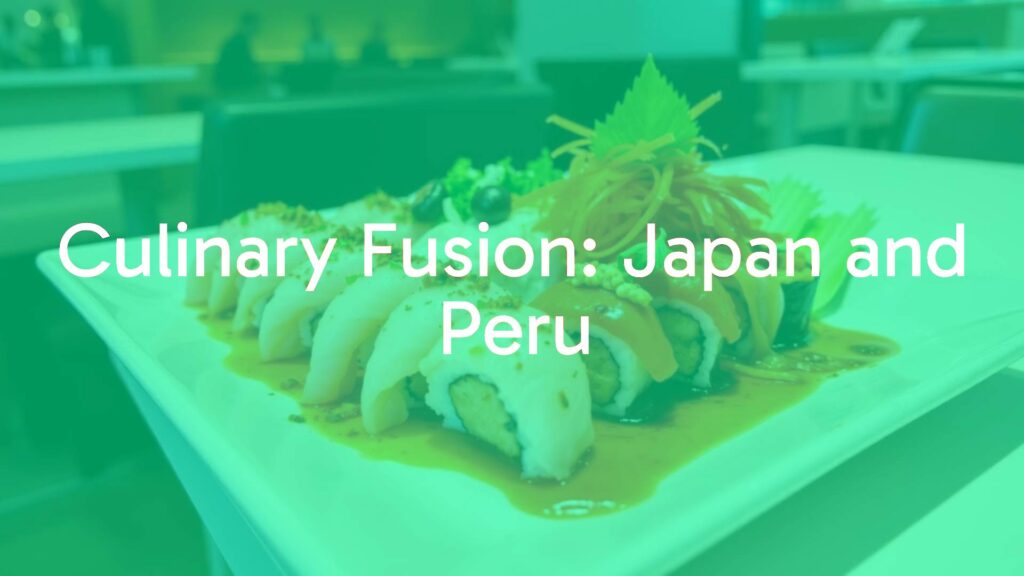
What Is the Japan-Peru Culinary Fusion?
The blending of Japanese and Peruvian food, often called Nikkei cuisine, is an exciting and unique style of cooking. It mixes Japanese skill and careful food preparation with lively, bold, and sometimes spicy Peruvian flavors. More than just putting different ingredients together, Nikkei food represents the meeting of cultures, born when Japanese people moved to Peru and started combining their traditions with what they found in their new home. Today, this kind of cooking is enjoyed by people all over the world.
This blend started from the need to adjust to a new country. Japanese immigrants arrived in Peru with their cooking techniques but had to use the local ingredients available to them. Rather than simply copying the dishes from Japan, they used their expertise to make new recipes that used Peru’s varied crops and flavors. That’s how a new kind of cuisine was created-one that thrives on imagination and takes the best ideas from both countries.

How Did Nikkei Food Start?
Nikkei cuisine began in the late 1800s and early 1900s, around 1889, when Japanese families first moved to Peru. These settlers, known as “Nikkei,” came looking for jobs, often in sugarcane fields. Life was tough for them at first, but as they settled-especially in cities like Lima-they started small businesses, some of them restaurants. Here, they began blending their Japanese cooking styles with Peruvian ingredients and flavors. This wasn’t just a simple switch but a creative process that started a new food culture. By working together with the local community, these Japanese immigrants mixed their traditions with Peru’s, and a unique blend was born.
What Makes The Japan-Peru Food Blend Special?
The Japanese and Peruvian food mix-Nikkei cuisine-stands out because of its perfect balance between two very different approaches to food. Japanese cooks focus on fresh ingredients, simple tastes, and careful presentation. Peruvian food, meanwhile, is famous for its strong, sometimes spicy flavors and colorful ingredients like chili peppers, lime, and corn.
Nikkei food combines these approaches. Japanese techniques such as making sashimi (sliced raw fish) or tempura (light frying) are used with Peruvian ingredients, creating something both new and comforting. For example, the Japanese way of eating raw fish changed how Peruvians made ceviche, reducing the marinating time and creating a fresher dish. Nikkei isn’t about one cuisine being better than the other but about lifting both up so that the result is something unique and popular around the world.
Japanese Immigration and Its Effect on Peru
The story of Nikkei food is tied closely to the story of Japanese people moving to Peru. When many Japanese immigrated to Peru in the late 19th century, they brought not only their food customs but also their culture. This movement led to a big exchange of ideas that helped shape one of the most interesting food mixes found today.
Even though Japanese immigrants faced hard times and some discrimination at first, they managed to stick together and create businesses, including many focused on food. It was in these places that Nikkei food got its start.
When Did Japanese Immigrants Arrive in Peru?
The large movement of Japanese people to Peru began in 1889. The Sakura Maru was the first ship to bring 790 workers from Yokohama, Japan, to Callao, Peru. These workers were mainly hired to work on sugarcane plantations due to labor shortages in Peru. Japan even sometimes advertised Peru as a great place to move to, even though working conditions were often very hard.

Between 1899 and 1924, about 18,000 more Japanese people came to Peru. Many left the difficult farm work and settled in cities like Lima, Trujillo, and Arequipa, where they still often faced low-paying jobs. Despite these challenges, they built a strong community and began playing a role in Peruvian life, helping Nikkei cuisine take shape.
How Did Japanese Cooks Use Peruvian Ingredients?
When Japanese immigrants first arrived, they found a new set of local foods to cook with but had their own deep knowledge of cooking. They knew how to use rice, ginger, and soy sauce-ingredients that were also familiar to Chinese immigrants. In Peru, they discovered things like rocoto, yellow chili peppers, limes, yucca, and lots of seafood that wasn’t traditionally used raw by locals.
- Ceviche changed: Instead of being marinated for hours, Japanese cooks made it fresh with quick marination, making it tastier and lighter.
- They introduced new vegetables and planted more rice.
- They made “yucamochi” by using yucca, showing how well they could adapt tradition into new food.
This way of blending strict Japanese cooking with Peru’s natural wealth became what we now call Nikkei cuisine.
How Nikkei Food Has Grown Over Time
The journey of Nikkei food from simple, homemade meals to world-famous restaurant dishes shows a history of slow change, creativity, and growing popularity. What started as a way for Japanese immigrants to cook in a new place grew into a well-known way of making food that’s recognized internationally.
This transformation happened step by step, as home cooks and then professional chefs mixed traditions and found new ways to combine Japanese and Peruvian tastes.
Major Moments in Nikkei Food History
- Early 1900s: Nikkei cuisine started mostly in family kitchens and small shops.
- 1930s: Japanese communities in Lima opened more food businesses, playing with Peruvian ingredients.
- 1958: Minoru Kunigami opened La Buena Muerte in Lima. His method of marinating ceviche fish for just minutes changed a Peruvian classic, making the dish more fresh and popular.
- By the 1960s: Nikkei techniques became more mainstream.
- 1980s and 2010s: Nikkei restaurants began to open around the world, getting international attention.

Leading Chefs in Nikkei Cuisine
| Chef | Contribution |
|---|---|
| Minoru Kunigame | Popularized quick-marinated ceviche and raw food styles |
| Rosita Yimura, Darío Matsufuji, Augusto Kague, Humberto Sato | Brought dishes like pulpo al olivo and Nikkei-style arroz con mariscos to the mainstream |
| Nobu Matsuhisa | Spread Nikkei cuisine worldwide through his restaurants, especially Nobu |
| Mitsuharu Tsumura (Maido) | Leads one of the most recognized Nikkei restaurants globally |
What Makes Japanese-Peruvian Fusion Different?
Nikkei food stands out for the way it mixes tastes, ingredients, and techniques. Instead of just mixing random ingredients, Nikkei chefs pay attention to blending their best qualities, making sure bold and subtle flavors work together. The food isn’t just Japanese or Peruvian; it’s something special made through careful choices.
The careful attention to detail makes Nikkei food varied in taste and texture-from the thin slices of fish to the spicy kick of Peruvian chilies-making every dish unique.
Core Tastes and Ingredients
- Peruvian side: Spicy chilies like aji amarillo and rocoto, limes, corn, potatoes, and yucca.
- Japanese side: Flavorful sauces like soy sauce and miso, cooking rice, and focusing on fresh seafood.
This combination means that Nikkei dishes can have the heat and tang of Peruvian food along with the deep, savory tastes found in Japanese cooking. For example, spicy chili paired with soy sauce is a common and loved flavor combination.
Using Japanese Skills on Peruvian Foods
Japanese food methods-like cutting fish very thinly for sashimi, frying with light batter for tempura, and selecting ingredients by color and texture-are used with Peruvian products. This attention to detail turns familiar Peruvian ingredients into new and interesting dishes.
- Sashimi methods led to the Peruvian tiradito dish.
- Japanese-style tempura made Peruvian seafood lighter and crispier than usual.
- Japanese farmers helped introduce more rice and new vegetables into Peru.
Popular Nikkei Dishes
Nikkei cuisine is famous for its creative dishes that show off the careful skill of Japanese cooking and the boldness of Peruvian flavors. These recipes are not just mixtures-they are new creations that surprise and please people everywhere.
These meals reflect a thoughtful approach to combining ingredients and show how Japanese cooking can bring out the best in what Peru has to offer.
Mixing Sushi and Ceviche
One well-known example is Nikkei sushi, which takes classic Japanese sushi and adds Peruvian touches like spicy aji amarillo. The result is a familiar sushi roll with a fresh, lively twist.
Meanwhile, ceviche-traditionally marinated for hours-is made the Japanese way, with sashimi-style slices and a quick soak in marinade (leche de tigre) that might include Japanese flavors, resulting in a light, bright dish.
Tiradito: A Nikkei Special
Tiradito clearly shows how Japanese and Peruvian ideas blend. Instead of cubes, fish is sliced thin like sashimi and quickly dressed in a spicy, citrus marinade just before serving. This keeps the fish fresh and highlights the taste and look of the ingredients.

- Uses Peruvian chili and sometimes Japanese yuzu in the marinade
- Keeps the dish fresh and bright
Miso Dishes with a Local Spin
Miso, a traditional Japanese seasoning, is combined with Peruvian ingredients for new flavors. For example, in Nikkei food, miso soup may include hearts of palm or chili. Marinating fish with miso is another common practice.
| Traditional Japanese | Nikkei Adaptation |
|---|---|
| Miso soup with tofu and seaweed | Miso soup with Peruvian tubers or chili |
| Miso-glazed local Peruvian fish | Miso-glazed local Peruvian fish |
Important Nikkei Restaurants Around the World
The spread of Nikkei food from Peru to the rest of the world has been led by key restaurants and chefs. These kitchens have not only developed great recipes but have helped introduce the style to new audiences in many countries.
From Lima to London, New York to Tokyo, Nikkei restaurants are now known for their creative menus and strong flavors. Their achievements show that food rooted in two places can appeal to people everywhere.
Some Well-Known Nikkei Restaurants
- Maido (Lima, Peru): Run by Mitsuharu “Micha” Tsumura, it’s often ranked among the top restaurants worldwide.
- Toshi (Lima): Opened by Toshiro Konishi, offering traditional and modern Nikkei food.
- Costanera 700 (Lima): Served by Yaquir Sato, known for creative seafood dishes.
- Pakta (Barcelona): Run by the Adrià brothers, earned a Michelin star for Nikkei cuisine.
- Osaka Cocina Nikkei: A chain with locations in Latin America and Europe.
- Nobu Restaurants: Founded by Nobu Matsuhisa, these restaurants brought Nikkei to a global audience with branches in major cities like Los Angeles, New York, and London.
The Role of Nobu Matsuhisa
Nobu Matsuhisa is one of the chefs most associated with sharing Nikkei cuisine worldwide. After moving to Lima in the late 1960s, he created new dishes by using Peruvian ingredients in Japanese recipes. Later, he opened restaurants in Los Angeles and beyond.
With partners like Robert De Niro, Nobu’s brand now has more than 40 locations globally, introducing the world to Japanese-Peruvian fusion and inspiring many other cooks to try similar mixes.
How Has Nikkei Food Changed Eating Around the World?
Nikkei cuisine is now not just a local or family tradition-it’s a global trend. Chefs use it as an example of how food cultures can come together in new ways. Nikkei inspires others to try fusion recipes, showing that by blending techniques and respecting both food traditions, something new and exciting can be created.
This style shows that fusion cooking is more than just combining ingredients-it’s about understanding and appreciating the roots of each culture.
Japanese-Peruvian Food’s Role Worldwide
Japanese-Peruvian dishes have opened people’s minds to the power of cross-cultural food. Fusion foods sometimes get a bad reputation for being basic, but Nikkei proves that if fusion has a history and makes sense, it can create truly great meals. The success of top chefs like Nobu Matsuhisa and Mitsuharu Tsumura has brought attention to this food style, making many diners more eager to try new tastes. This has helped set the stage for all kinds of food experiments and inspired inventiveness in kitchens everywhere.
Frequently Asked Questions About Japanese-Peruvian Culinary Fusion
What Does ‘Nikkei’ Mean in Cooking?
‘Nikkei’ refers to Japanese immigrants and their descendants, especially those living in Peru and Brazil. In food, Nikkei means the style that mixes Japanese techniques with Peruvian ingredients and flavors.
Is Nikkei Food More Japanese or Peruvian?
Nikkei food isn’t only Japanese or only Peruvian-it’s truly a mix of both. It uses Japanese skills like precise knife work and careful flavor balancing, and combines those with traditional Peruvian items like fresh chili, limes, and seafood. This makes Nikkei food something new and special, honoring both traditions.
Why Has Nikkei Food Become So Popular?
- Unique flavor combinations make dishes stand out from typical food choices.
- Famous chefs like Nobu Matsuhisa and Mitsuharu Tsumura have shown the world what Nikkei food can be through high-profile restaurants.
- Nikkei food has an interesting story, which attracts people who want to know more about where their food comes from.
- The food is also visually pleasing and fits modern trends-perfect for sharing on social media.
