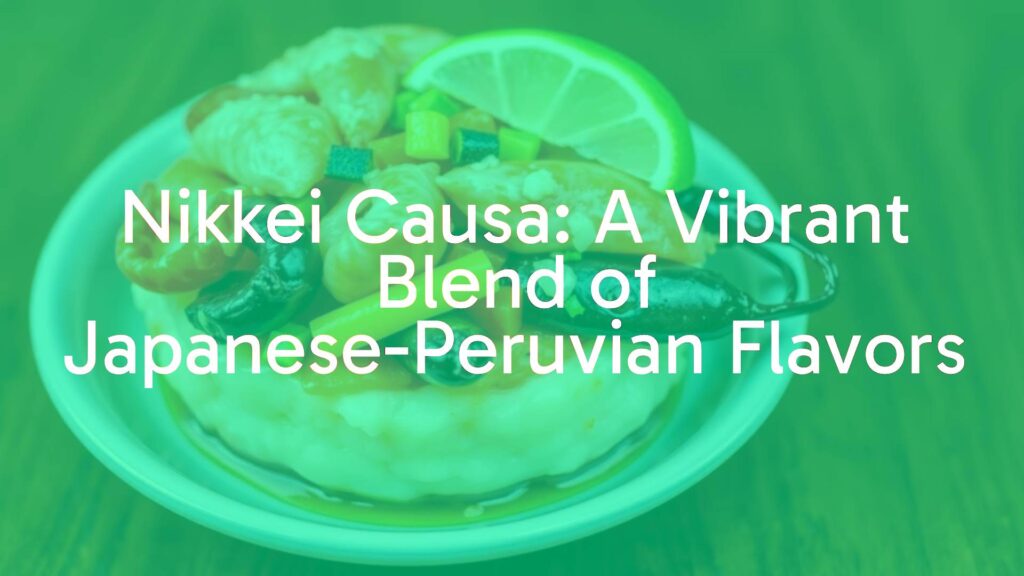
Nikkei Causa: Where Peruvian Tradition Meets Japanese Innovation
Introduction to Nikkei Causa
Nikkei causa is a contemporary interpretation of the classic Peruvian causa, revamped through the lens of Japanese culinary artistry. This dish exemplifies the Nikkei cuisine movement, a harmonious blend of Japanese and Peruvian culinary influences born from the Japanese diaspora in Peru. By marrying indigenous Peruvian staples such as potatoes and ají amarillo with delicate Japanese seafood, seasonings, and techniques, Nikkei causa has emerged as a celebrated symbol of cultural synergy on the plate.
Defining Features and Composition
At its core, a typical Nikkei causa is constructed with layers of creamy, seasoned mashed potatoes—often infused with lime and yellow chili pepper for tang and gentle heat. What distinguishes the Nikkei variant is its use of Japanese-inspired fillings and toppings. Instead of the conventional tuna, chicken, or egg found in traditional Peruvian versions, Nikkei causa frequently incorporates elements such as sashimi-grade salmon, Japanese mayonnaise, avocado, furikake, or even wasabi-laced sauces. These additions bring a refined umami dimension and highlight textures that range from silken to delicately firm.
Historical Context: From Peru to the Nikkei Table
The story of Nikkei causa begins with the migration of Japanese communities to Peru in the late 19th and early 20th centuries. As Japanese immigrants adapted to local ingredients and customs, their culinary methods slowly intertwined with Peruvian cooking traditions. The classic causa, a dish with roots in pre-Columbian Peru and noted for its use as a portable meal, became a canvas for reinterpretation. Over decades, this exchange inspired chefs to experiment with Japanese ingredients, creating a modern Nikkei iteration that pays homage to both heritages.
Culinary Techniques and Preparation
Nikkei causa preparation bridges the careful precision of Japanese cuisine with the convivial approach of Peruvian cooking. The mashed potato base is meticulously seasoned and often molded into elegant shapes. Seafood, typically handled with Japanese techniques emphasizing freshness and minimalism, is layered or arranged on top. Sauces are emulsified to a silky consistency, and garnishes—like sliced nori or sesame seeds—may be added for a hint of crunch and visual appeal.
Key Ingredients That Define Nikkei Causa
The essential building blocks of a Nikkei causa include:
- Peruvian yellow potatoes – providing a creamy texture and subtle, earthy flavor.
- Ají amarillo – a Peruvian chili pepper delivering gentle heat and vibrant color.
- Fresh seafood – such as tuna, salmon, or octopus, treated sashimi-style.
- Japanese mayonnaise – for added creaminess and umami.
- Avocado – a nod to both culinary traditions, offering buttery richness.
- Seasonings – lime juice, soy sauce, and occasionally wasabi or ponzu.
Taste, Texture, and Presentation
Nikkei causa delivers a multi-layered tasting experience: the tanginess and mild heat of the potato base complement the clean, oceanic flavors of raw or lightly cured fish. Japanese sauces accentuate umami, while garnishes like microgreens, sesame seeds, or crispy tempura crumbs introduce a variety of textures. Visually, Nikkei causa is often presented as an artful stack or roll, with vibrant colors and meticulous assembly echoing Japanese culinary aesthetics.
Popular Variations
Chefs across the globe offer creative renditions of Nikkei causa. Some feature spicy tuna tartare atop the potato base, while others use scallops dressed in citrus and soy. Vegetarian versions swap seafood for marinated tofu or crisped vegetables, maintaining the dish’s spirit of innovation. Occasionally, the causa base may be infused with wasabi or yuzu for an extra Japanese twist.
Conclusion
Nikkei causa is more than a simple fusion; it is an evolving dialogue between two cultures that values both tradition and creativity. Through its careful balance of flavor, texture, and visual appeal, Nikkei causa stands as a testament to the enduring legacy and contemporary dynamism of Nikkei cuisine.
