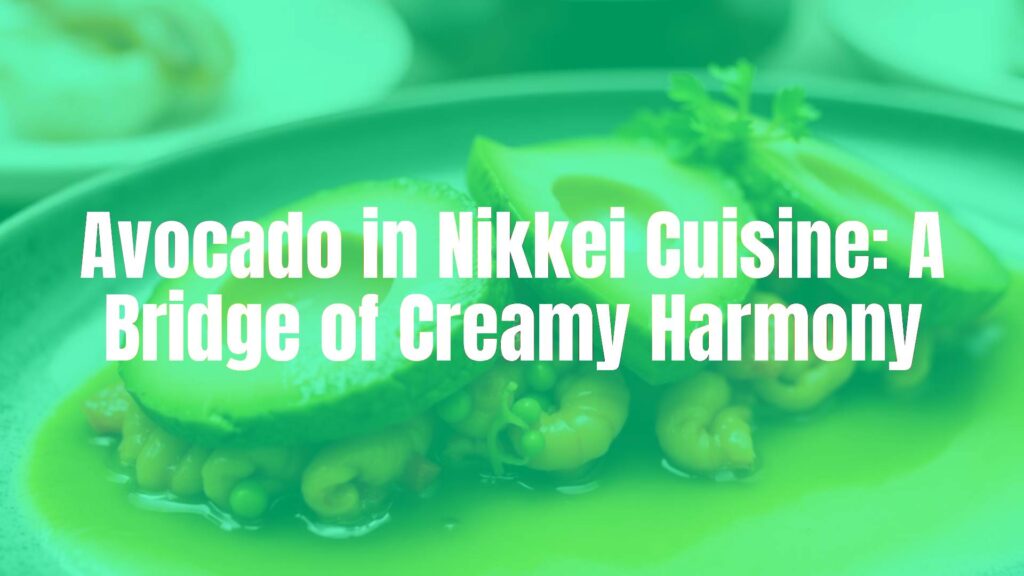
The Essential Role of Avocado in Nikkei Cuisine
Nikkei cuisine stands as a remarkable intersection of Japanese and Peruvian culinary legacies, defined by innovation, balance, and a reverence for ingredients. One ingredient that has become truly emblematic of this fusion is the avocado. With its lush texture, beautiful green color, and subtle, buttery flavor, avocado not only enhances dishes visually and texturally but also embodies the harmonious spirit of Nikkei cooking.
Characteristics of Avocado: Flavor, Texture, and Appearance
Avocado distinguishes itself with its creamy, mouth-coating quality and mild, nutty taste. The vibrant green interior, often showcased in slices or as a smooth puree, adds visual appeal to dishes while offering a rich contrast to seafood and other ingredients. Its natural fat content creates a sense of luxury and satisfaction, complementing both delicate Japanese ingredients and the bold flavors typical of Peruvian gastronomy.
Historical Context: From Andean Roots to Japanese Tables
Native to Central and South America, the avocado has deep roots in Peruvian agricultural heritage. When Japanese immigrants arrived in Peru in the late 19th and early 20th centuries, they encountered an ingredient unfamiliar from their homeland but instantly compatible with Japanese techniques and palate preferences. The avocado’s rise in Nikkei cuisine reflects this blending of traditions, as it seamlessly entered dishes formerly reliant on cucumbers or other mild vegetables.
Avocado as a Culinary Connector
Avocado exemplifies the synergy between Japanese precision and Peruvian abundance. In Nikkei cuisine, it often features in sushi rolls, replacing or accompanying classic fillings, offering a creamy counterpoint to fresh fish and seasoned rice. The avocado’s versatility means it also appears alongside tiraditos and ceviches, where it tempers citrusy marinades with richness. In salads and as a garnish, its color and taste bridge raw and cooked elements, Japanese restraint and Peruvian exuberance.
Defining Fusion: Creative Uses and Symbolism
In the hands of Nikkei chefs, avocado does more than add flavor or texture—it becomes a symbol of adaptation and unity. Sushi rolls like the acevichado, often topped with thin slices of avocado, are unique to Nikkei menus. Here, the ingredient’s creaminess mellows spicy ají sauces or pungent soy-based condiments, blurring lines between continents on a single plate. Whether mashed, sliced, or cubed, avocado is integral in the ongoing conversation between these two cultures, embodying a culinary philosophy that values harmony and innovation.
Conclusion: Avocado’s Lasting Legacy in Nikkei Cuisine
The widespread use of avocado in Nikkei cuisine underscores the creative possibilities that emerge when distinct food traditions meet. Its ability to complement both the subtlety of Japanese dishes and the liveliness of Peruvian flavors ensures avocado’s place at the heart of this vibrant gastronomic movement. For diners and cooks alike, avocado remains a delicious reminder of Nikkei cuisine’s unique bi-cultural narrative.
