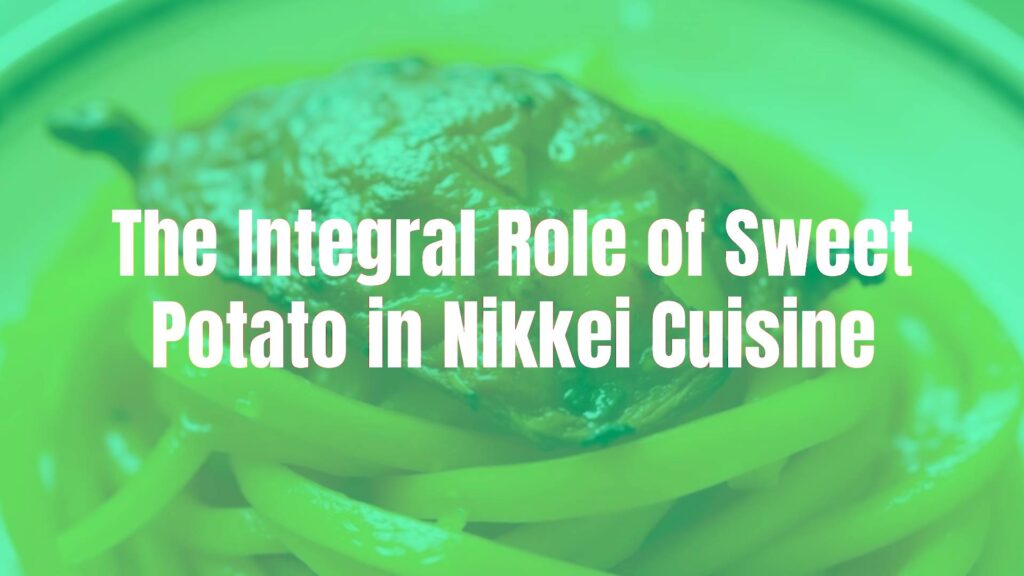
Sweet Potato: A Bridge Between Cultures in Nikkei Cuisine
The sweet potato, known as camote in Peru, plays a pivotal role in Nikkei cuisine, serving as both a flavorful ingredient and a cultural touchstone that connects Japanese and Peruvian gastronomic traditions. Its natural sweetness, vibrant color, and distinctive texture contribute not only to the sensory qualities of dishes but also to the unique culinary language of Nikkei fusion.
Flavor, Texture, and Visual Appeal
Sweet potato’s mild and earthy sweetness offers an approachable contrast to the often tart, spicy, or umami-forward flavors typical in Nikkei preparations. With a creamy interior and a thin, sometimes caramelized skin when cooked, it provides both softness and subtle richness to various plates. The striking orange or yellow hues of sweet potato also bring a pleasing visual element, making dishes more inviting and underscoring the emphasis on color found in both Japanese and Peruvian cuisines.
Roots in Peruvian and Japanese Culinary Heritage
While sweet potato has been cultivated in Peru since pre-Columbian times, it also appears in Japanese food culture, particularly as satsumaimo. The ingredient’s prevalence in both countries set the stage for its eventual starring role as Nikkei cuisine emerged from the blending of Japanese immigrant traditions and Peruvian agricultural abundance. Its adaptiveness made it a natural point of connection between two culinary worlds.
Sweet Potato as a Fusion Ingredient
In Nikkei cuisine, sweet potato exemplifies fusion by adapting to Japanese techniques—such as tempura frying or delicate pureeing—while highlighting native Peruvian flavors. It is commonly served alongside fresh seafood in ceviche, providing gentle sweetness to balance lime and chili, or sliced thinly and crisped as a garnish for sushi rolls and tiraditos. Sweet potato purées, chips, or even lightly pickled strips are frequently incorporated to lend depth and textural counterpoints to dishes that merge sashimi with Peruvian sauces like ají amarillo or leche de tigre.
Defining Nikkei Identity Through Sweet Potato
The sweet potato’s integration into Nikkei cooking is not merely practical; it symbolizes the innovative spirit of the cuisine. Its presence signals a dish’s hybrid identity, where centuries-old farming traditions from the Andes meet Japanese minimalism and precision. Chefs utilize sweet potato to tell the story of migration, adaptation, and creativity, making it an essential ingredient for anyone seeking to understand what makes Nikkei cuisine distinct.
Conclusion
From its multifaceted flavor profile to its vibrant appearance and deep cultural significance, sweet potato is much more than a supporting player in Nikkei cuisine. It is a testament to the harmonious blending of culinary traditions and local ingredients, representing the very heart of what makes this fusion distinctive and enduringly popular.
