Introducing the Nikkei Avocado Roll
The avocado roll occupies a special place within the evolving landscape of Nikkei cuisine, demonstrating the culinary creativity that emerges from the meeting of Japanese and Peruvian food traditions. This beloved sushi roll is much more than a simple combination of rice, seaweed, and avocado—it eloquently represents the adaptability and fusion of distinct cultures, resulting in a dish that is both comforting and innovative.
Signature Characteristics and Presentation
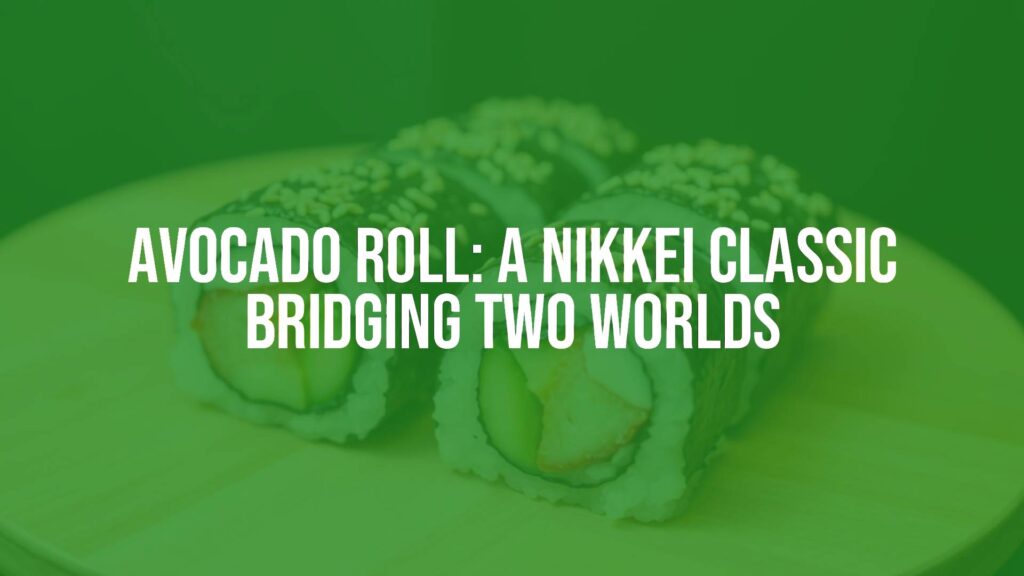
Nikkei avocado rolls are characterized by their elegant simplicity and vibrant appearance. Each roll typically encases slices of creamy avocado within seasoned rice, often complemented by ingredients that add subtle flavors or textural contrast. The roll is usually wrapped in a sheet of nori (seaweed), and might be finished with a scattering of sesame seeds, a touch of wasabi, or drizzles of Peruvian-inspired sauces. The combination of the pillowy rice, rich avocado, and umami from the nori creates a harmonious flavor and a visually appealing dish.
Historical Roots: The Fusion of Japanese and Peruvian Traditions
The origins of the avocado roll in Peru trace back to the late 19th and early 20th centuries, when Japanese immigrants began settling in the country. Encountering a new land with unfamiliar ingredients, these settlers turned to local produce, including the prized Peruvian avocado. The avocado roll emerged as a creative adaptation, transforming the classic Japanese maki by featuring an ingredient beloved in Peruvian cuisine. Over time, this roll became a symbol of how Nikkei cooking adapts traditional Japanese sushi methods to Peru’s agricultural bounty.
Key Ingredients and Culinary Techniques
Essential to the avocado roll are a few principal elements: vinegared sushi rice, nori, and perfectly ripe avocado. In the Nikkei tradition, the rice is carefully seasoned to achieve a delicate balance of tanginess and subtle sweetness. The local Peruvian variety of avocado contributes a buttery richness and vibrant color that distinguishes these rolls from their Japanese ancestors. Some variations may include fillings such as cucumber, shrimp, or a spicy sauce influenced by Peruvian ají peppers, marrying umami and heat in unexpected ways.
Peruvian Meets Japanese: Unique Flavor Profiles
What sets the Nikkei avocado roll apart is its nuanced interplay of flavors and textures. The cool, creamy avocado pairs beautifully with the mild acidity of the sushi rice and the briny notes of the nori. When Peruvian twists are added—such as aji amarillo mayonnaise or a hint of cilantro—the result is a unique balance of freshness, heat, and richness that reflects both traditions seamlessly.
Common Variations and Contemporary Appeal
Nikkei chefs are known for their inventiveness, leading to a variety of avocado roll interpretations. Some versions may feature seared fish, marinated vegetables, or a dusting of Peruvian spices. Others might swap out traditional soy sauce for Nikkei-inspired dipping sauces infused with citrus or chile. The dish’s adaptability has allowed it to become a staple in Peruvian-Japanese restaurants worldwide, appealing to a broad range of palates and dietary preferences.
Cultural Legacy
Today, the avocado roll is celebrated as both a symbol of multicultural harmony and a testament to the power of culinary exchange. Its ongoing popularity highlights the dynamism of Nikkei cuisine, where respect for heritage and openness to innovation continue to inspire new generations of chefs and diners alike.
