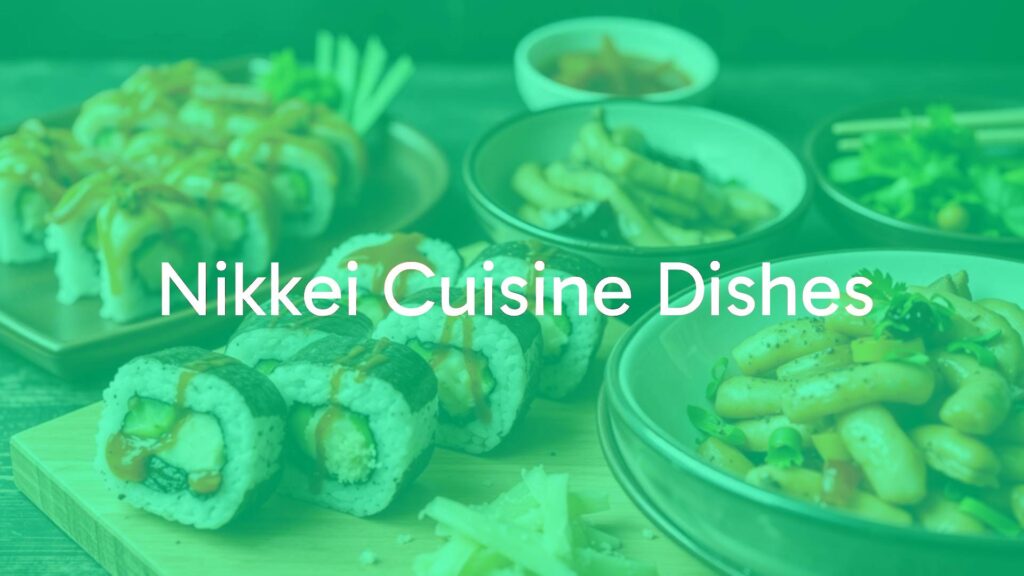
Nikkei cuisine blends Japanese cooking techniques with the bold flavors of Peruvian ingredients, creating a unique and colorful food style. This type of food first developed in Peru by the Japanese community that settled there, combining two rich food traditions into one. Nikkei food is not just a passing fad; over time, it has become popular and recognized worldwide for its freshness, balance, and creativity. Dishes range from sushi rolls topped with Peruvian sauces to seafood stir-fries, all reflecting the mix of cultures found in Peru and its Japanese influences.

What Is Nikkei Cuisine?
Nikkei cuisine is more than just a way of cooking; it shows how cultures can mix and adjust over time. “Nikkei” describes people of Japanese heritage who live outside Japan. This food developed when Japanese immigrants arrived in Peru in the late 1800s and early 1900s. They brought traditional Japanese cooking skills, ingredients, and tastes with them. In Peru, they found new foods like plenty of fresh fish, tropical fruits, and local spices. This opened the door for new food ideas, as Japanese cooks began to use Peruvian products in Japanese dishes. The result is Nikkei cuisine: a creative mix of both cultures and a great example of how food can change when it meets something new.

How Japanese and Peruvian Traditions Mix in Nikkei
Japanese immigrants wanted to prepare the foods they missed, using what they could find in Peru. They brought Japanese ingredients such as miso, ginger, soy sauce, wasabi, and rice vinegar. At the same time, they started using Peruvian staples like aji chili peppers, different kinds of potatoes, and corn. Sometimes they substituted ingredients, but often they just created something new. For example, Japanese skills with cleaning and slicing raw fish mixed with Peru’s love for citrus-cured seafood, leading to dishes like Nikkei ceviche and tiradito. Using Japanese techniques improved the way Peruvians made ceviche, resulting in the lighter, shorter-marinated version popular today.
What Makes Nikkei Dishes Special?
Nikkei food is known for its focus on freshness, balance, and creativity. Unlike some traditional cuisines that never change, Nikkei cooking encourages trying new things while still respecting the old ways. Chefs often try out new mixings of flavors, textures, and cooking methods. Dishes are also made to look good; meals are carefully arranged using bright colors and neat designs, following the Japanese tradition of making food pleasing to the eye as well as the taste.

Main Features of Nikkei Cuisine Dishes
Nikkei cuisine stands out for a few main reasons. It always tries to balance the mild, rich flavors from Japan with the stronger, sometimes spicy tastes from Peru. Careful preparation helps each dish taste just right.
Important Ingredients in Nikkei Cooking
| Japanese Ingredients | Peruvian Ingredients |
|---|---|
| Soy sauce, miso, ginger, wasabi, rice vinegar, fish | Aji peppers (e.g., amarillo, rocoto), lime, corn (choclo), sweet potato (camote), Andes potatoes |
Mixing these ingredients creates dishes that can be bright and tangy or deep and savory.

Common Techniques in Nikkei Cooking
- Precise knife skills for slicing fish, as used in sashimi and tiradito
- Tempura, or frying vegetables and seafood in a light batter
- Grilling, sometimes over open flames (robata style)
- Using “leche de tigre” (citrus marinade for ceviche) with added Japanese touches like yuzu or dashi
- Stir-frying, especially for dishes like Lomo Saltado Nikkei
Flavors and Presentation
Nikkei dishes often combine subtle and bold tastes at the same time. There’s a mix of salty, sweet, tangy, and umami in each bite. Plating is also important, with special attention to colorful arrangements and neat lines, so food looks as attractive as it tastes.
Signature Nikkei Dishes
Some Nikkei dishes stand out for showing how well Japanese and Peruvian styles work together. These dishes tell the story of different cultures sharing and mixing food ideas.

Ceviche Nikkei: Japanese and Peruvian Ceviche Together
Ceviche is Peru’s famous dish, usually made by marinating raw fish in lime juice for a long time. Nikkei-style ceviche uses Japanese methods: the fish is cut thin and marinated for just a few minutes so it stays soft and mild. Often, ginger and soy sauce are added to the citrus marinade (“leche de tigre”) for extra flavor. The result is a dish that feels lighter, with both fresh and deep flavors.
Tiradito: Ingredients and Unique Qualities
Tiradito is another key Nikkei dish, closely related to Japanese sashimi but with Peruvian sauces. It uses thin slices of raw fish, topped with a spicy or tangy sauce made from aji peppers and lime juice, and sometimes mixed with soy sauce. Unlike ceviche, tiradito is served right away and without onions, letting the taste of the fish and sauce stand out. An example is Sake No Niwa, which has salmon with arugula, quinoa, dill, and a creamy chili sauce for a mix of flavors and textures.
Nikkei-Style Sushi Rolls and Sashimi
- Acevichado Maki Rolls: Fresh fish marinated in ceviche sauce, plus avocado and crunchy vegetables rolled in rice and seaweed
- Lomo Saltado Sushi: Sushi filled with beef, onions, tomatoes, and soy sauce, tasting like the classic Peruvian stir-fry
- Nigiri Acevichado: Fish or seafood on sushi rice, topped with a citrus marinade for extra flavor
These versions use Japanese sushi skills but add new flavors from Peru.
Lomo Saltado Nikkei: Blending Soy Sauce and Peruvian Tastes
Lomo Saltado is a Peruvian stir-fry with beef and fries, influenced by Chinese cooking. In the Nikkei version, soy sauce is used more, sometimes along with Japanese mirin or sake, for a deeper taste. Japanese methods help cook the beef just right. Vegetables stay crisp, making this a comforting dish with a Japanese twist.
Miso Soup with a Peruvian Update
Miso soup, a standard Japanese comfort dish, is sometimes made with Peruvian ingredients for extra flavor. For example, hearts of palm or a hint of Peruvian chili might be added. In Brazil, a type of local tuber called mandioquinha is sometimes used. These choices give a new touch to a favorite dish.
Amazon Nikkei: Using Ingredients from the Amazon
This style of Nikkei cooking uses special foods from Peru’s Amazon region. For example, Paiche (one of the world’s biggest freshwater fish) is sliced thin and paired with Japanese and Peruvian sauces. Other examples include salads using Chonta (palm heart), or fruit like cocona, along with miso and mirin dressings. This brings together local Amazon foods with Japanese techniques.

Frequently Asked Questions About Nikkei Cuisine Dishes
As Nikkei cuisine spreads worldwide, people often ask questions about its flavors and who it’s good for. Here are some common answers.
Are Nikkei Dishes Spicy?
The spiciness depends on the dish. Many Nikkei recipes use Peruvian aji peppers, which add a gentle heat. However, not every dish is spicy, and chefs can usually adjust the spice level if you ask. Japanese flavors often balance out the heat so it is enjoyable instead of overpowering.
What Is the Difference Between Nikkei Ceviche and Regular Ceviche?
Nikkei ceviche uses thin slices of fish and a short marinating time, keeping the fish delicate and soft, similar to Japanese sashimi. Regular Peruvian ceviche uses cut-up fish and a longer soak in lime juice, making it firmer. Nikkei ceviche also uses extra Japanese flavors like soy sauce, ginger, or yuzu in the marinade, which adds depth not found in standard ceviche.
Can Vegetarians Eat Nikkei Cuisine?
Yes, Nikkei food can be made vegetarian-friendly. While seafood and meat are common, the use of fresh vegetables, beans, tofu, and grains like quinoa means there are plenty of options. Many restaurants offer vegetarian versions of Nikkei dishes, such as vegetable tempura, sushi with plant fillings, or salads. It’s good to ask what is available or if a dish can be made meat-free.
The Future of Nikkei Cuisine
Nikkei cooking keeps changing and expanding as more people around the world discover it. Its future seems promising, with new ideas and dishes appearing all the time.
New Directions and Trends in Nikkei Dishes
- Chefs are using more regional Peruvian ingredients, especially from the Amazon and Andes
- Expect new flavors and textures from local fruits, roots, and herbs
- There is a growing focus on using seafood and produce from responsible sources
- Nikkei style is appearing not just in fancy restaurants but in more laid-back places too
- Artistic plating and making dishes visually appealing continues to be important
Nikkei cuisine will keep offering new and surprising combinations, making it exciting for both chefs and diners everywhere.