The Allure of Chicken Wok in Nikkei Cuisine
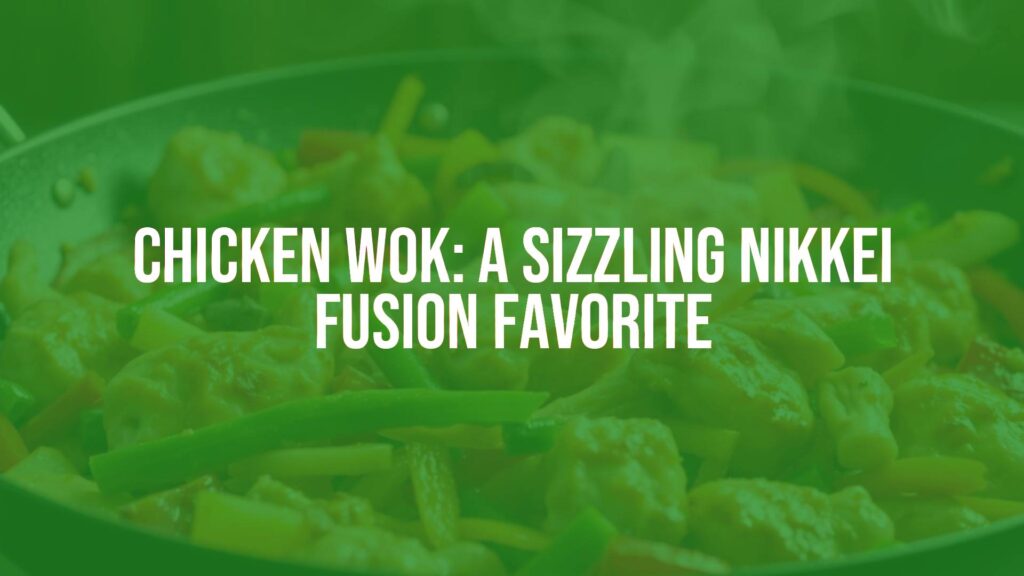
Chicken Wok is a standout dish in Nikkei cuisine, offering an inventive blend of Japanese and Peruvian culinary elements. Recognized for its vibrant flavors and quick preparation, this stir-fried specialty is a familiar sight in contemporary Nikkei and Peruvian restaurants. Characterized by its smoky aroma, colorful vegetables, and succulent pieces of chicken, Chicken Wok is a dish that embodies the dynamism of cultural exchange and adaptation.
Origins and Culinary Crossroads
The story of Chicken Wok in Nikkei cuisine traces back to the early 20th century, when waves of Japanese immigrants arrived in Peru and began infusing local dishes with Japanese techniques and ingredients. Inspired by both Japanese teppanyaki and the Chinese-influenced Peruvian tradition of stir-frying known as “chifa,” Chicken Wok exemplifies a fusion that transcends borders. The use of a wok—a cooking vessel not native to either traditional Japanese or Peruvian kitchens—reflects the adaptability and creativity that define Nikkei cooking.
Key Ingredients and Signature Profile
While Chicken Wok variations are numerous, the dish typically relies on a few key elements: bite-sized pieces of marinated chicken, a medley of vegetables such as bell peppers, onions, and sometimes snap peas or zucchini, and a savory sauce that combines both Japanese and Peruvian influences. Common seasonings include soy sauce, oyster sauce, a splash of sake or mirin, as well as Peruvian staples like ají amarillo (yellow chili pepper) and cilantro. The result is a harmonious balance of umami, mild heat, subtle sweetness, and bright freshness.
Melding Techniques: Japanese Precision Meets Peruvian Flair
The Nikkei version of Chicken Wok is notable for its synthesis of cooking styles. The dish is typically prepared over high heat in a wok, echoing the technique of quick stir-frying found in Asian cuisines. Japanese culinary principles—emphasizing balance, meticulous preparation, and presentation—come into play as the chicken is tenderized and vegetables are cooked just to the peak of crispness, ensuring contrasting textures in every bite. Peruvian influence is evident in the use of native peppers, aromatic herbs, and the bold layering of flavors.
Flavor, Texture, and Presentation
Chicken Wok is celebrated for its dynamic interplay of smoky char (known as wok hei), juicy chicken, and vegetables that retain both color and crunch. The sauce, glistening and aromatic, coats every ingredient without overpowering the dish. Garnishes—such as chopped scallions, sesame seeds, or a scatter of fresh cilantro—contribute additional texture and freshness.
Variations and Modern Interpretations
Contemporary Nikkei chefs frequently reinterpret Chicken Wok, sometimes replacing chicken with seafood, beef, or tofu for alternative versions. Additional vegetables or Peruvian ingredients, such as corn or cassava, are sometimes featured for creative twists. Despite these adaptations, the essence of Chicken Wok remains rooted in its lively fusion of traditions and flavors—a dish that captures the spirit of Nikkei cuisine’s ongoing evolution.
