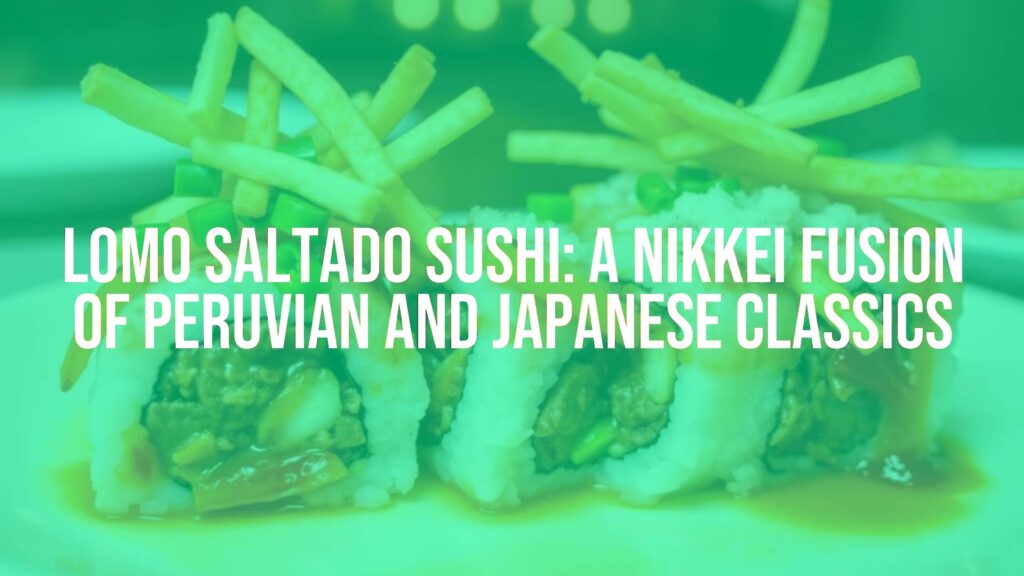
Lomo Saltado Sushi: Bridging Culinary Worlds
The Essence of Lomo Saltado Sushi
Lomo saltado sushi is a vibrant expression of Nikkei cuisine, seamlessly integrating the soul of Peru’s beloved stir-fried beef dish (lomo saltado) with the iconic Japanese sushi roll format. This inventive fusion presents a dynamic interplay of flavors and textures, offering a new perspective on both traditional Peruvian food and Japanese sushi craftsmanship.
Historical Roots and Cultural Exchange
The origins of lomo saltado sushi are rooted in the historical ties between Peru and Japan, dating back to the early 20th century with the arrival of Japanese immigrants in Peru. These immigrants brought with them culinary traditions that intermingled with local Peruvian ingredients and foodways. Lomo saltado, a cornerstone of Peruvian cuisine inspired in part by Chinese cooking methods, found a natural partner in Japanese techniques as Nikkei chefs reimagined it in sushi form. The dish embodies the ongoing dialogue between these two cultures, highlighting adaptability and creative spirit.
Key Ingredients and Defining Features
At the heart of lomo saltado sushi is sautéed beef—typically sirloin or tenderloin—marinated with soy sauce, vinegar, and spices to echo traditional lomo saltado flavors. A medley of red onions, tomatoes, and sometimes bell peppers accompanies the beef, providing an aromatic, slightly tangy counterpoint. These fillings are gently wrapped in seasoned sushi rice and nori (seaweed sheet), merging Japanese sushi sensibilities with quintessentially Peruvian components. Occasionally, a touch of aji amarillo (Peruvian yellow chili) or cilantro may be included for added depth and brightness.
Preparation Approach and Presentation
Unlike conventional lomo saltado, which is served hot and accompanied by fries and rice, lomo saltado sushi is a compact, hand-held roll—either as maki (rolled sushi) or uramaki (inside-out roll). The beef, onion, and tomato mixture is quickly stir-fried to maintain tenderness and then chilled before being rolled with sushi rice and nori. The presentation often features a topping of crisp potato sticks or sweet potato shavings, cleverly alluding to the classic side of French fries found in the original dish. A drizzle of soy-based sauce or spicy mayo may further enhance the roll, creating a harmonious blend of umami, acidity, and crunch.
Sensory Experience: Flavor, Texture, and Appearance
Lomo saltado sushi delivers a compelling juxtaposition: the savoriness of marinated beef, the gentle acidity of sautéed vegetables, and the alkaline bite of sushi rice, all unified by the subtle brininess of seaweed. Texturally, the dish brings together the tender chew of beef, the softness of rice, and the crispness of garnishes, making each bite both familiar and novel. Visually, colorful vegetables and garnishes create an inviting, eye-catching appeal that captures the spirit of both Peruvian and Japanese cuisines.
Innovative Variations
Chefs have embraced the playful nature of lomo saltado sushi, experimenting with elements such as quail egg yolks, spicy rocoto sauces, or avocado for extra creaminess. Vegetarian adaptations substitute mushrooms or tofu for beef, maintaining the essence of the dish while broadening its appeal. Some versions use quinoa-infused rice or replace nori with rice paper, reflecting broader fusion trends within Nikkei cuisine.
The Significance of Fusion
Lomo saltado sushi stands as a vibrant testament to the possibilities born from culinary convergence. It not only pays homage to the cross-cultural heritage of Nikkei cuisine but also encourages innovation, adaptability, and appreciation for global ingredients and techniques. In a single bite, diners experience a unique narrative shaped by migration, adaptation, and creative ingenuity.
