The Essence of Nikkei Maki
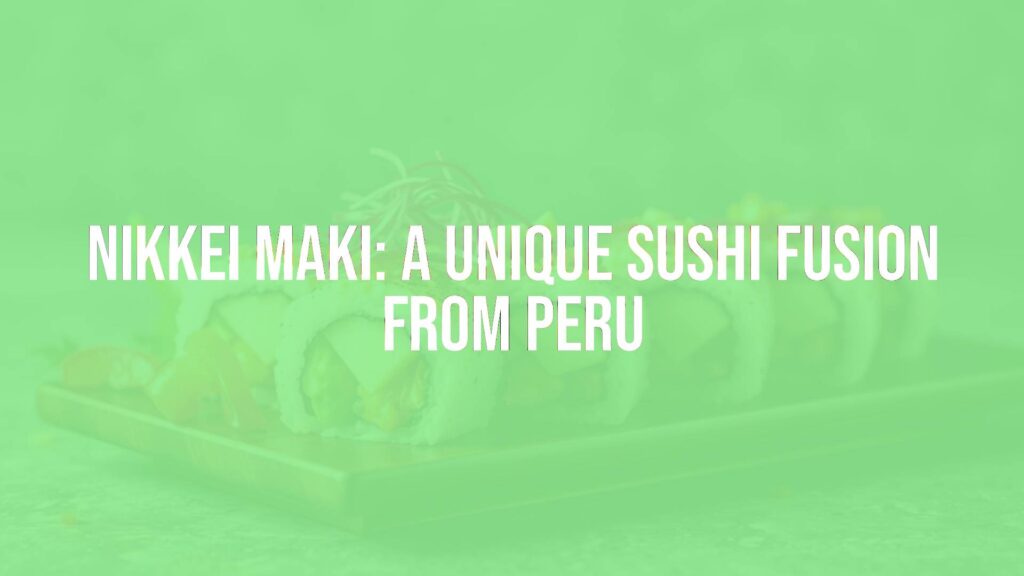
Nikkei maki stands as a remarkable representation of the fusion between Japanese sushi traditions and the bold, colorful flavors of Peruvian cuisine. This roll-style sushi dish, often recognized by its innovative toppings, vibrant sauces, and diverse fillings, exemplifies the creativity that has blossomed from the meeting of two distinct culinary cultures. Unlike traditional Japanese maki, Nikkei maki is celebrated for its willingness to break the mold, introducing unexpected ingredients and bright flavors that reflect Peru’s rich gastronomic heritage.
Historical Background and Evolution
The origins of Nikkei maki can be traced to the wave of Japanese immigration to Peru in the late 19th and early 20th centuries. As Japanese communities settled and integrated into Peruvian society, cooks began merging familiar Japanese techniques—such as rolling sushi—with Peruvian ingredients like ají amarillo, avocado, and local seafood. Over the decades, these experiments flourished, establishing Nikkei cuisine as an iconic and dynamic branch of fusion food culture. The maki roll became a canvas for cross-cultural expression, blending meticulous Japanese preparation with Peru’s bold flavors and ingredients.
Defining Characteristics and Key Ingredients
What sets Nikkei maki apart is its playful yet thoughtful combination of ingredients and presentations. At its base, Nikkei maki retains the fundamentals of sushi: expertly seasoned sushi rice and nori (seaweed). However, the fillings and toppings showcase the Peruvian touch:
- Proteins: Fresh seafood such as tuna, salmon, shrimp, and octopus; sometimes grilled meats or even ceviche-style fish.
- Sauces: Creamy acevichado sauce (inspired by ceviche), spicy ají amarillo mayo, and citrus-forward dressings are common.
- Vegetables: Avocado, cucumber, sweet potato tempura, and red onion add texture and vibrancy.
- Garnishes: Fried garlic chips, sesame seeds, chives, or crunchy quinoa are frequently used to finish the rolls.
The result is a maki that is often vivid in color, rich in flavor, and layered in texture—with spicy, tangy, creamy, and crunchy notes coexisting in every bite.
A Fusion of Japanese Techniques and Peruvian Flavors
Nikkei maki is a culinary dialogue between Japan and Peru. Traditional techniques—such as preparing vinegared rice and precisely rolling sushi—are preserved, but the flavor palette is distinctly Peruvian. Chefs incorporate ingredients not typically found in Japanese sushi, like Peruvian chili peppers, cilantro, sweet potato, and native citrus. The use of sauces, such as the popular acevichado or maracuya (passion fruit) reduction, brings brightness and complexity, reflecting the Peruvian penchant for zesty, robust seasonings while maintaining elegant Japanese presentation.
Preparation Style and Presentation
Though Nikkei maki utilizes the general approach of rolling sushi—layering rice, nori, and fillings before slicing—the variations are vast. Rolls might be served uramaki style (with rice on the outside), topped with torched fish or slivers of avocado, and finished with colorful sauces drizzled artistically. Inside, expect contrasting textures: creamy avocado beside crisp tempura, or cool seafood contrasted with a punchy sauce. This balance of texture and flavor is a hallmark of Nikkei maki’s appeal.
Popular Variations
Restaurants and chefs have embraced endless creativity with Nikkei maki, generating a spectrum of signature rolls. Some enduring favorites include:
- Acevichado Maki: Filled with shrimp or fish and topped with citrusy, mildly spicy ceviche sauce.
- Tiradito Roll: Inspired by Peruvian tiradito, featuring thinly sliced fish and aji amarillo sauce.
- Anticucho Maki: Utilizing marinated and grilled meat reminiscent of Peruvian street food, with tangy pepper sauce.
- Quinoa Crunch: Finished with a layer of crunchy fried quinoa for texture and a nod to Andean staples.
Each variation pays homage to a different aspect of Peru’s diverse food culture, woven seamlessly into the sushi roll format.
Nikkei Maki: A Celebratory Fusion
Ultimately, Nikkei maki is more than sushi—it’s a celebration of heritage, innovation, and flavor. Whether enjoyed at high-end Nikkei restaurants in Lima or at neighborhood sushi bars across the globe, its inventive spirit and bold character continue to redefine what sushi can be when disparate culinary worlds meet and blend.
