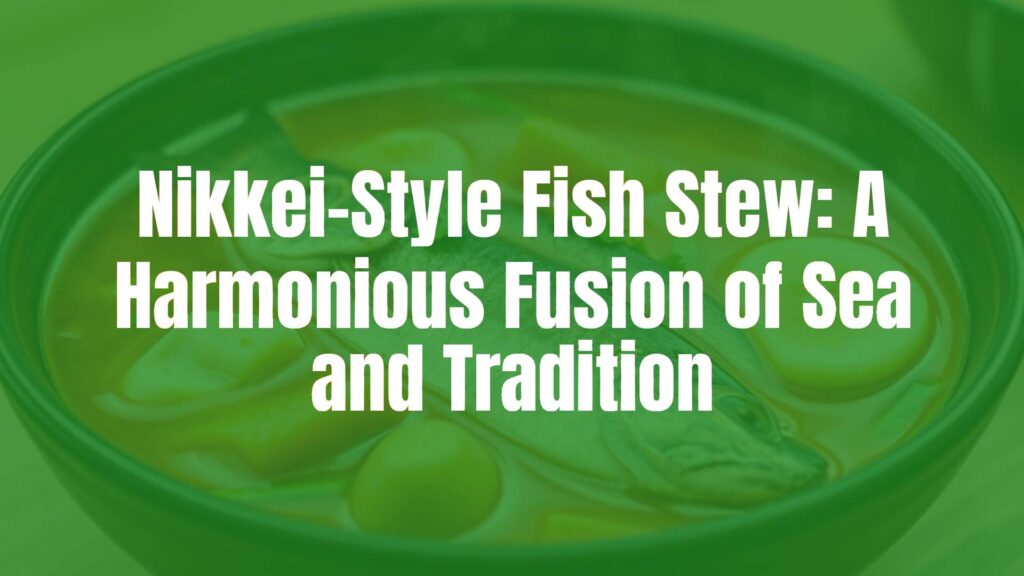
Nikkei Fish Stew: A Meeting of Oceans and Cultures
The Nikkei take on fish stew is a vibrant reflection of the Japanese-Peruvian culinary dialogue, marrying bold flavors and heartwarming textures in a single bowl. This dish captures the essence of Nikkei cuisine—where Japanese techniques are applied to the diverse ingredients of Peru, resulting in a distinctive stew that entices palates and tells a story of cross-cultural innovation.
Distinctive Features of Nikkei Fish Stew
Unlike traditional Peruvian fish stews or Japanese nabe, the Nikkei rendition is defined by a delicate balance of flavors and a thoughtful layering of ingredients. The stew commonly features fresh ocean fish, selected for both flavor and texture, combined with a variety of root vegetables and Peruvian native herbs. What sets it apart is the subtle application of Japanese seasonings, such as miso or soy sauce, that underpin the broth with savory depth without overshadowing the freshness of the fish.
Historical Interplay: Origins of the Dish
The roots of Nikkei fish stew reach back to the turn of the 20th century, a period when Japanese immigrants settled in Peru and began to experiment with local produce and culinary customs. Fish stews, already popular in both cultures—think Japanese yosenabe and Peruvian sudado de pescado—provided a familiar canvas. Over time, Nikkei chefs began to integrate Peruvian ají amarillo peppers and Andean tubers into Japanese-inspired broths, forging a new classic that respected both heritages.
Ingredients That Define Nikkei Fish Stew
The backbone of this stew is always the freshest locally-caught fish—often firm white varieties like corvina or sea bass. The fish is typically simmered gently to preserve both its integrity and flavor. Other core ingredients might include yuca or potato for substance, a splash of sake or mirin for subtle sweetness, and Peruvian ají peppers to add vibrancy without excessive heat. Aromatics such as ginger and garlic are used sparingly, providing a fragrant undertone while keeping the dish light and balanced.
Preparation Approach: Fusion Techniques
Preparation of Nikkei fish stew highlights the attention to technique that characterizes both cuisines. The fish may be marinated briefly in a marinade reminiscent of Peruvian ceviche, infusing it with citrus notes before being added to the broth. The stock itself might be built with a base of dashi (Japanese sea stock) enriched with Peruvian herbs, creating a multidimensional background for the stew’s flavors. Vegetables are sliced artfully, a nod to Japanese knife skills, and gently cooked to retain their color and structure.
Sensory Experience: Flavor, Texture, and Appearance
The final dish is a feast for the senses: pale, translucent slices of fish float among vivid yellow ají peppers and green coriander leaves. The broth is aromatic and complex, offering both umami and bright notes from the fusion of herbs, citrus, and soy. Each bite presents a tender texture from the fish and subtle crunch or creaminess from tubers and vegetables, all dancing in a broth that is both comforting and unexpectedly fresh.
Evolution and Popular Variations
As Nikkei cuisine continues to evolve, so do interpretations of the fish stew. Some chefs incorporate shellfish or Amazonian fish, while others play with seasoning levels—amplifying miso for richness or spiking the broth with more aggressive chilies for modern palates. Vegetarian renditions, substituting tofu or mushrooms as the main element, have also appeared in contemporary Nikkei kitchens, underscoring the dish’s adaptability and universal appeal.
Conclusion: Celebrating a Culinary Bridge
Nikkei fish stew stands as more than just a meal—it is a celebration of migration, cultural dialogue, and culinary curiosity. Whether enjoyed in a family kitchen or a cutting-edge Nikkei restaurant, this stew exemplifies the best of both Japanese and Peruvian traditions, inviting diners to savor the possibilities at the intersection of two rich gastronomic worlds.
