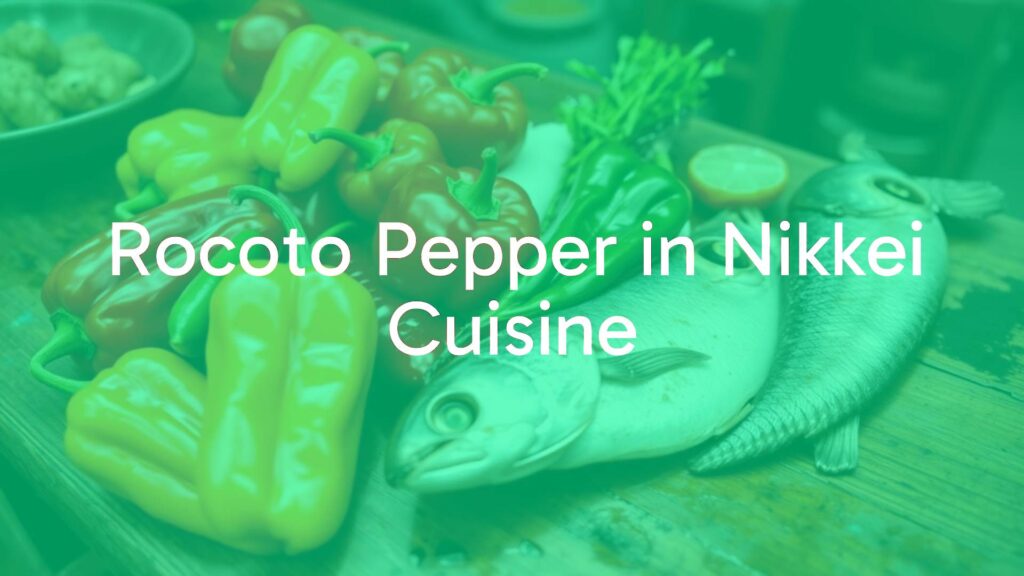
The rocoto pepper is a colorful and spicy chili that plays a key role in Nikkei cuisine-a mix of Japanese and Peruvian cooking styles. This chili adds a unique heat and fruity flavor, blending Japanese cooking’s subtlety with Peru’s bold tastes. Without rocoto, dishes like tiradito and ceviche would lose an important layer of flavor, taking away some of their true Peruvian taste.

The Meaning and Origin of Rocoto in Nikkei Cuisine
The use of rocoto pepper in Nikkei food began with Japanese immigrants to Peru in the late 1800s and early 1900s. These Japanese families brought their cooking traditions, based on fresh ingredients and simple flavors, but soon discovered Peru’s new and exciting ingredients. One of these was the rocoto pepper, a spicy, flavorful chili that quickly became part of their cooking. By using rocoto in Japanese dishes, they created a new style of food now known as Nikkei cuisine.
What Is Rocoto Pepper?
The rocoto pepper (Capsicum pubescens) grows in the Andes in places like Peru and Bolivia. Unlike most peppers, rocoto has thick skin and black seeds. It looks a bit like a small bell pepper and can be red, orange, or yellow. Rocoto grows well in cooler, higher places where other peppers may not survive.
Rocoto’s flavor is both hot and fruity. The heat is often as strong as habanero, but with a sweetness and light floral hint. Its thick flesh makes it perfect for stuffing or chopping into sauces.

Why Is Rocoto Important in Peruvian and Nikkei Food?
In Peru, rocoto is a national favorite used in many common dishes. It’s not just about the spice-it adds freshness and bright color too. From aji de gallina to rocoto relleno (stuffed rocoto), it appears in meals across the country.
When Japanese families started mixing their dishes with Peruvian ingredients, rocoto became a connection point. It gave the heat Peruvian recipes needed, but also matched well with Japanese flavors and gentle cooking techniques. In Nikkei dishes, rocoto isn’t just for spice-it adds a real Peruvian touch and helps balance delicate Japanese fish and sauces with Andean spiciness. Rocoto’s use shows how these two cultures combined their food, making it a symbol of their shared creativity.
Main Features of Rocoto Pepper
Rocoto chili stands out not just because it’s hot, but due to its unique look and taste. Knowing its features helps explain why it’s so central in Nikkei food and why it’s different from other peppers worldwide.
Physical Traits and Spice Level
| Feature | Description |
|---|---|
| Shape & Texture | Looks like a small apple or bell pepper, thick and round, smooth skin |
| Colors | Red, orange, or yellow |
| Seeds | Black (rare among chilies) |
| Heat | 50,000-250,000 Scoville units (very spicy, similar to habanero) |
Unlike some peppers that burn slowly, rocoto’s heat is sharp and fades fast, letting its fruity side stand out.
Flavor and Uses in Cooking
Rocoto’s taste is fresh, fruity, and slightly citrusy, sometimes with a floral hint. Its combination of strong heat and bright taste gives it many uses:
- Stuffed rocoto: filled with meat and cheese
- Pureed in sauces: adds color and flavor to pastes
- Sliced into raw dishes: like ceviche or tiradito for a fresh spicy note
The thick skin means it holds up well to roasting or grilling. It can make rich dishes brighter or give light meals a zesty punch, fitting perfectly in Nikkei recipes.

How Rocoto Changes Nikkei Dishes
Rocoto is more than just an ingredient-it gives Nikkei food its special Peruvian touch. It adds not just spice, but also texture and color, affecting both looks and taste.
How Rocoto Is Used in Nikkei Recipes
- Rocoto paste: Peppers are blanched, seeded, and blended with lime juice, garlic, and oil. This makes a sauce base for casseroles, ceviche, or marinades.
- Thin slices: Fresh rocoto is cut finely and used as a topping or mixed into raw fish dishes, adding bursts of heat and color.
- Chefs often remove seeds and veins to soften the spice, letting the pepper’s fruitiness come through.
Popular Nikkei Dishes with Rocoto
| Dish | How Rocoto Is Used |
|---|---|
| Tiradito | Rocoto is blended into the leche de tigre (citrus marinade) or sliced on top |
| Ceviche | Rocoto paste is mixed into the marinade or chopped as garnish |
| Rocoto miso sauce | Miso and rocoto blended for dipping meats or vegetables |
| Rocoto cream | Rocoto mixed into creamy mayo-based sauces |
| Rocoto salsa | Salsa made with diced rocoto, ginger, or Japanese herbs |

How Rocoto Flavor Stands Out in Nikkei Food
Rocoto’s flavor in Nikkei recipes is about more than just heat-it gives the food its own bold but balanced taste and feel.
Blending Spice with Umami
Rocoto chili has a sharp but quick heat, which means the deep savory (umami) tastes-common in Japanese food-still come through. Japanese ingredients like miso and soy sauce provide a umami base, while rocoto adds a lively spike and fruity finish without taking over the dish. This combination highlights both cultures’ flavors at the same time.
Best Pairings: Seafood, Rice, and Veggies
- Seafood: Rocoto’s brightness lifts the clean taste of raw or marinated fish.
- Rice: The starchy base of rice soothes the heat, letting the chili’s fruitiness shine, especially in rice bowls or sushi-style rolls.
- Vegetables: Rocoto livens up simple veggies in stir-fries and salads, and its thick flesh works well when grilled with root vegetables or greens.
This flexibility makes rocoto a key flavor in Nikkei cooking-it supports many different dish types while always bringing something special.

Chefs Who Made Rocoto Popular in Nikkei Cuisine
Nikkei food-and by extension rocoto chili-became globally known thanks to a few standout chefs who combined Japanese and Peruvian food and brought it to the world.
Nobu Matsuhisa and Other Key Chefs
- Nobu Matsuhisa: A chef from Japan who moved to Peru in the 1960s and began mixing Japanese and Peruvian cooking. He opened his first restaurant in Lima and later became famous worldwide with the Nobu chain. His dishes often use rocoto in sauces and raw fish plates, showing how Japanese and Peruvian foods can work together.
- Mitsuharu Tsumura (Maido): In Lima, Chef Tsumura runs Maido, often called one of the world’s best restaurants. He puts rocoto at the heart of many dishes, from ceviches to special sauces. Chefs like him, often with Japanese-Peruvian backgrounds, continue to shape Nikkei cuisine and keep rocoto at the center of the story.

Restaurants That Feature Rocoto
| Restaurant | Location |
|---|---|
| Maido | Lima, Peru |
| Nobu | Worldwide: New York, London, Tokyo, and more |
| Central | Lima, Peru |
| Coya / La Mar Cebichería Peruana | London, Miami, and other global cities |
FAQs About Rocoto in Nikkei Cuisine
Is Rocoto Pepper Too Spicy?
Rocoto is very spicy-about as hot as a habanero. For those who do not like spicy food, it might seem too hot if eaten raw. However, Nikkei chefs often remove the seeds and membranes or cook the pepper briefly to reduce the heat. Rocoto is usually used in small amounts to give flavor without overwhelming the dish. In most Nikkei recipes, it adds interest and spice but is balanced so most people can enjoy it.
How Can I Use Rocoto at Home in Nikkei Recipes?
- Wear gloves, then cut the rocoto open and take out all seeds and the white parts (they hold most of the spice).
- You can boil the pepper to lower its heat.
- Blend the cleaned pepper with lime juice, garlic, and oil for a simple rocoto paste.
- Add this paste to ceviche, thinly slice into sushi rolls, or mix into creamy sauces for a spicy kick.
- Always start with a little, then add more if you want extra heat.
Are Fresh and Dried Rocoto Used Differently?
Fresh rocoto is common in Nikkei food because of its crisp texture and bright, juicy flavor. It is perfect for raw dishes, sauces, and garnishes. Dried rocoto, which is rare in Nikkei kitchens, becomes smokier and hotter but loses its fresh taste. Dried versions might sometimes be used for slow-cooked dishes or for chili powders, but the classic Nikkei experience comes from the use of fresh rocoto.
