The Distinctive Presence of Wasabi in Nikkei Cuisine
Wasabi, the pungent green paste renowned throughout Japanese cuisine, has found an intriguing new context within the world of Nikkei cooking. By blending Japanese immigrant traditions with the vibrant ingredients and techniques of Peru, Nikkei cuisine has reimagined wasabi’s role, harnessing its heat, flavor, and visual appeal to create dishes that are both familiar and adventurous.
Flavor Profile, Texture, and Appearance
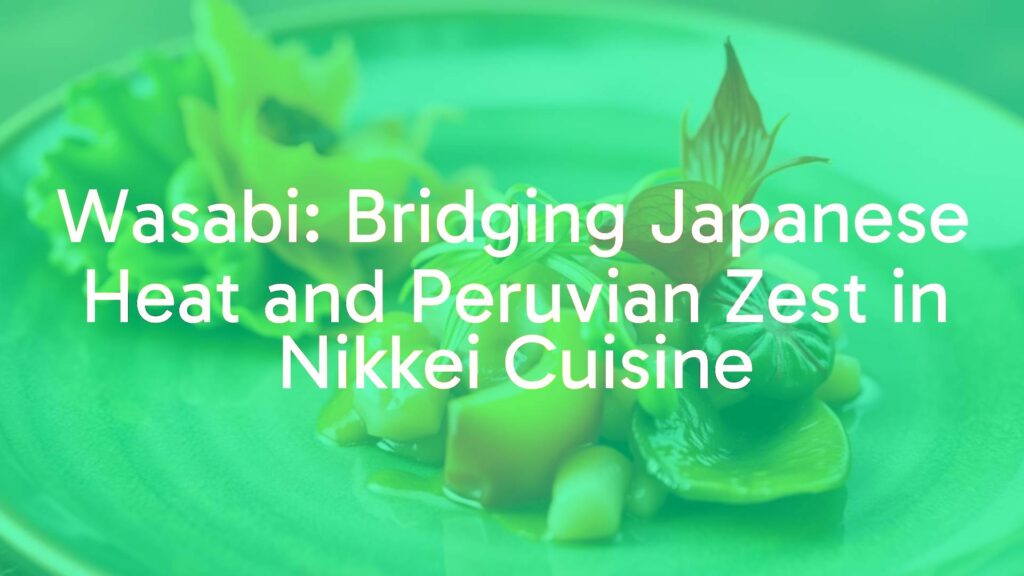
Authentic wasabi, derived from the rhizome of the Wasabia japonica plant, delivers an immediate, sharp heat and a fleeting, floral aftertaste. Its texture is smooth yet slightly fibrous when freshly grated, and its vivid green color introduces a visual vibrancy to plates. In Nikkei dishes, wasabi’s unique spicy kick is often balanced by the acidic, citrusy, or creamy notes typical of Peruvian gastronomy, highlighting its versatility.
Historical and Cultural Significance
The introduction of wasabi into Peruvian kitchens mirrors the broader story of Japanese migration to Peru in the late 19th and early 20th centuries. Early immigrant cooks brought with them both culinary techniques and key ingredients. However, due to wasabi’s rarity outside Japan, adaptations emerged, often substituting with local horseradish or blending wasabi powder with other spicy Peruvian chilies. This interplay set the foundation for fusion, allowing wasabi’s essence to remain central even as its form evolved.
Wasabi as a Culinary Bridge
Wasabi encapsulates the Nikkei spirit of blending tradition with innovation. In Japanese cuisine, it is an essential condiment for sushi and sashimi, believed to enhance flavor and inhibit bacteria. In Nikkei cuisine, wasabi is used more expansively, incorporated into creamy sauces that accompany tiraditos (Peruvian-style sashimi), drizzled atop ceviche, or even infused into dressings for vibrant salads. Its heat can be modulated to suit local palates, while its herbal nuances complement fresh seafood and the bold flavors of Peruvian roots, herbs, and citrus.
Defining Fusion Dishes
From wasabi-infused aiolis gracing Andean potatoes to spicy-green emulsions accenting Amazonian fish, wasabi acts as a creative force in Nikkei cuisine. Rather than simply echoing Japanese usages, Nikkei chefs blend wasabi with ingredients like lime juice, rocoto peppers, or aji amarillo in vinaigrettes and marinades, bridging two culinary landscapes with every dish. Its presence is a marker of the symbiotic relationship between the precise, minimalist flavors of Japan and the robust, earthy tastes of Peru.
Conclusion
Ultimately, wasabi in Nikkei cuisine is more than a condiment; it is a symbol of adaptation, ingenuity, and cultural harmony. By maintaining its core identity while embracing new contexts, wasabi continues to inspire chefs and diners alike, deepening the story of Nikkei gastronomy with each green-hued flourish.
